How to Make Your Home Smell Amazing with Simple Hacks
Date:
December 28, 2025
Reading Time:
Approx. 11 mins
🔊
Audio Reader:
Click Listen for American English playback
▶
Listen
⏸
Pause
⏹
Stop
🧠 Understanding the Science of Smell and Its Impact on Your Home
Key Points
Scent is directly linked to the limbic system, which governs emotions, memories, and behavior.
Pleasant aromas can reduce stress, improve focus, and evoke positive memories, while unpleasant odors cause discomfort.
Identify common odor culprits by room (e.g., kitchens for food smells, bathrooms for mildew).
Consider factors like ventilation, humidity levels (aim for 30-50%), and home materials (e.g., fabrics absorb smells).
Address both odor removal and fragrance addition for long-lasting freshness.
🌿 Essential Oils: The Natural Powerhouse for Home Fragrance
Choosing Essential Oils
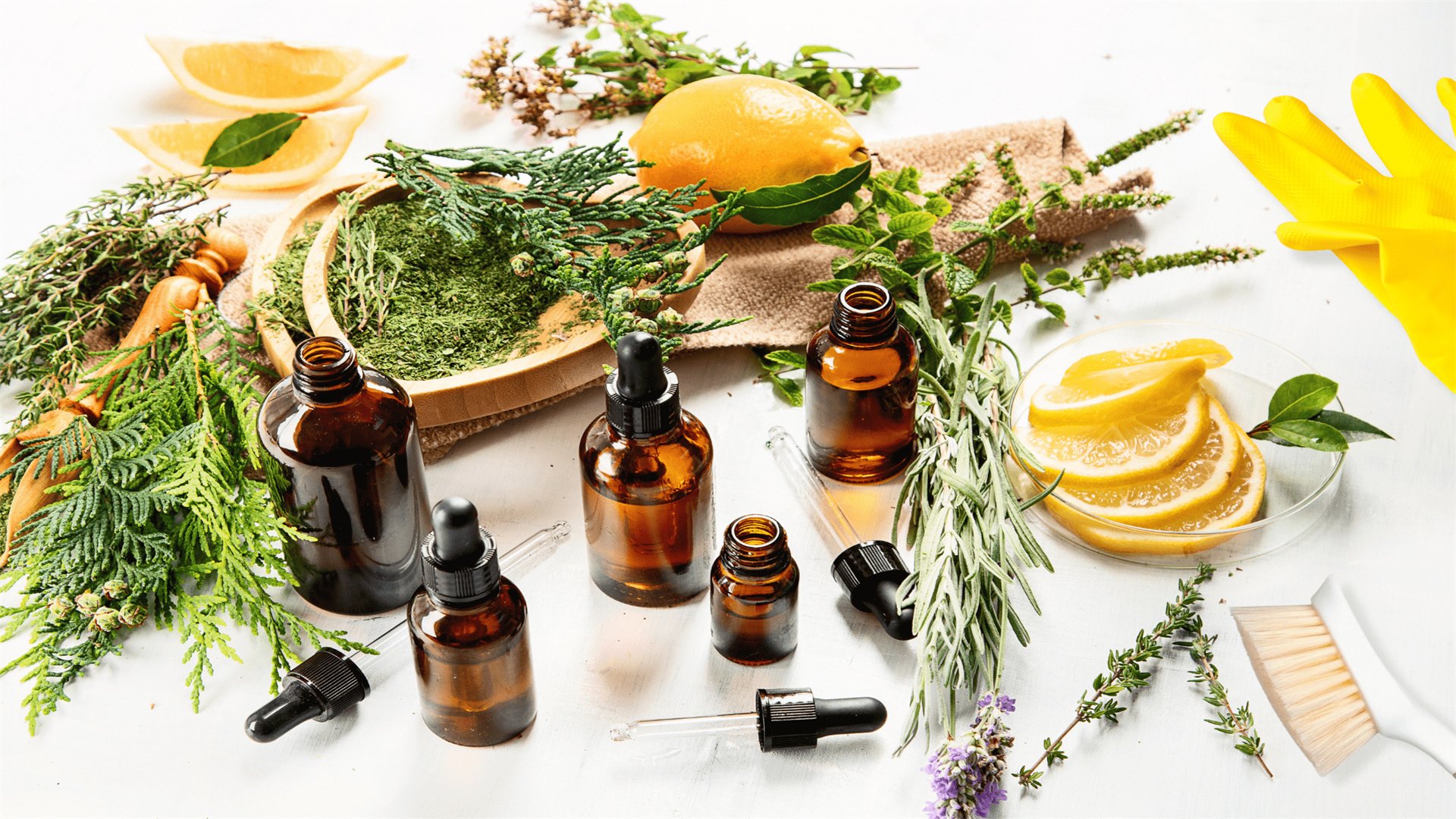
Invest in high-quality, pure essential oils from reputable brands to avoid synthetic additives.
Store oils in dark, cool places to preserve potency.
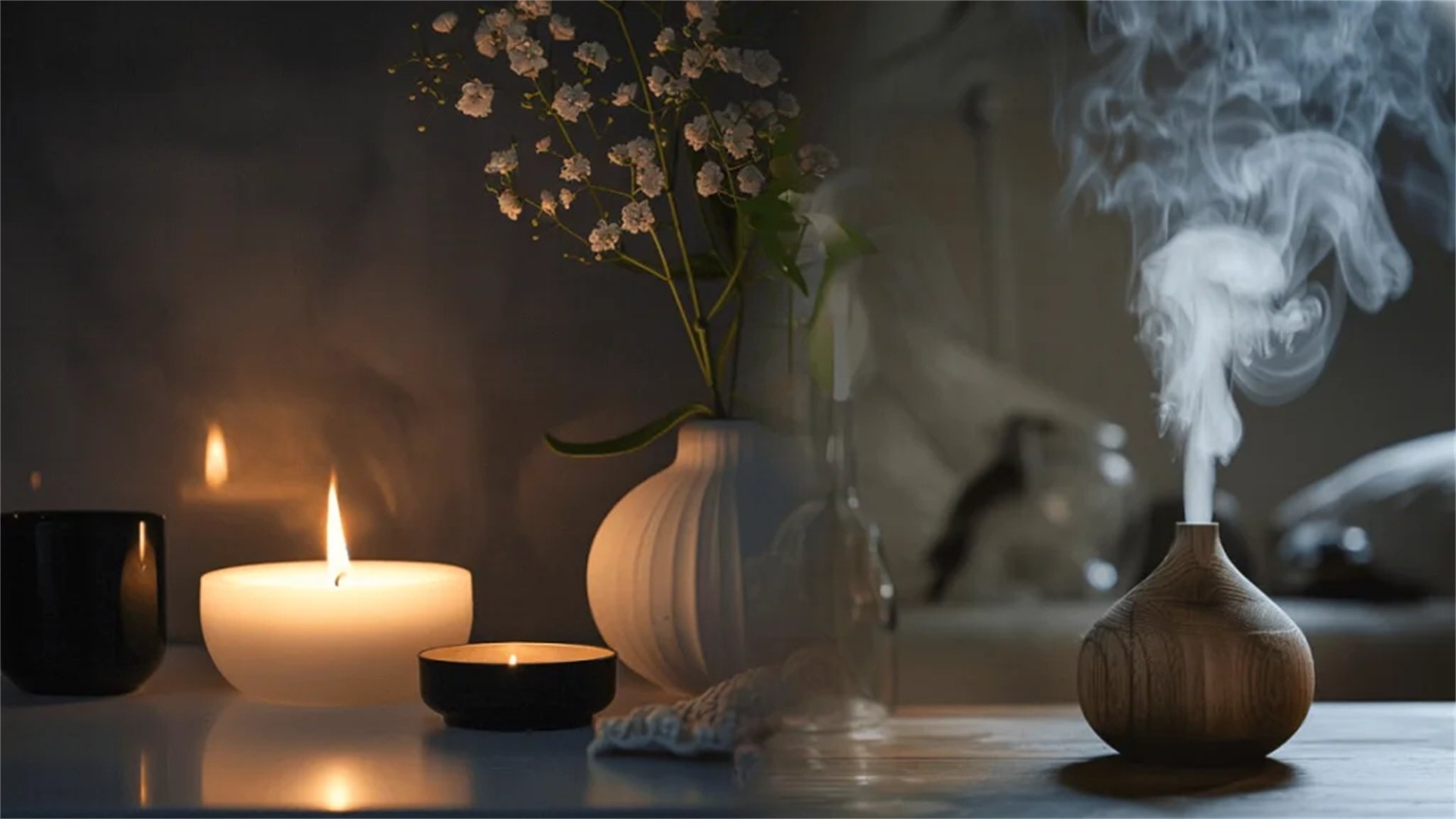
Diffusers
Use ultrasonic or nebulizing diffusers to disperse oil particles into the air.
Add 5-10 drops of essential oil to water in the diffuser tank and run for 30-60 minutes per session.
Try blends: 3 drops peppermint and 3 drops lemon for freshness; 4 drops bergamot and 4 drops ylang-ylang for floral notes.
Clean diffusers weekly with vinegar to prevent residue buildup.
DIY Sprays
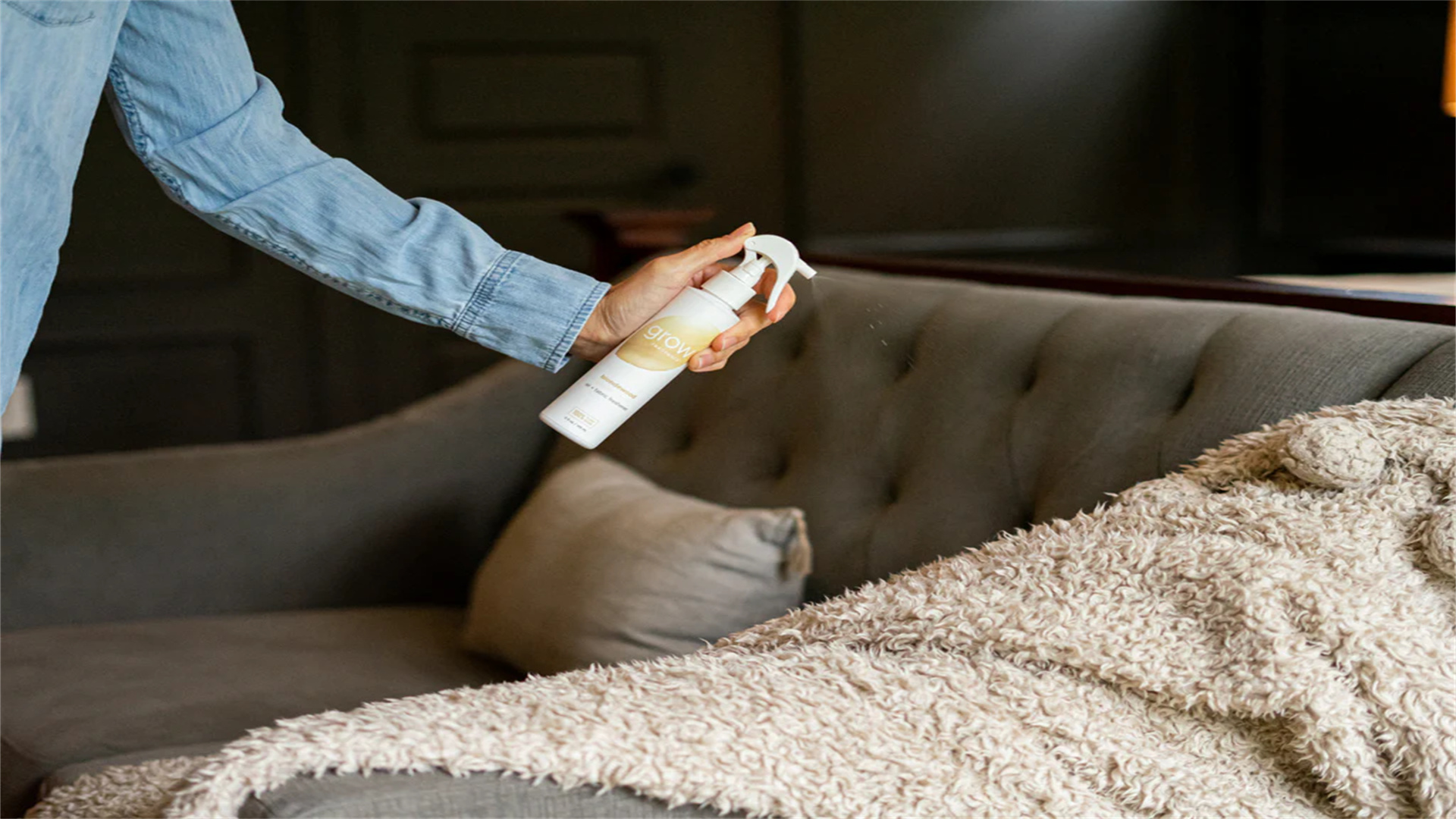
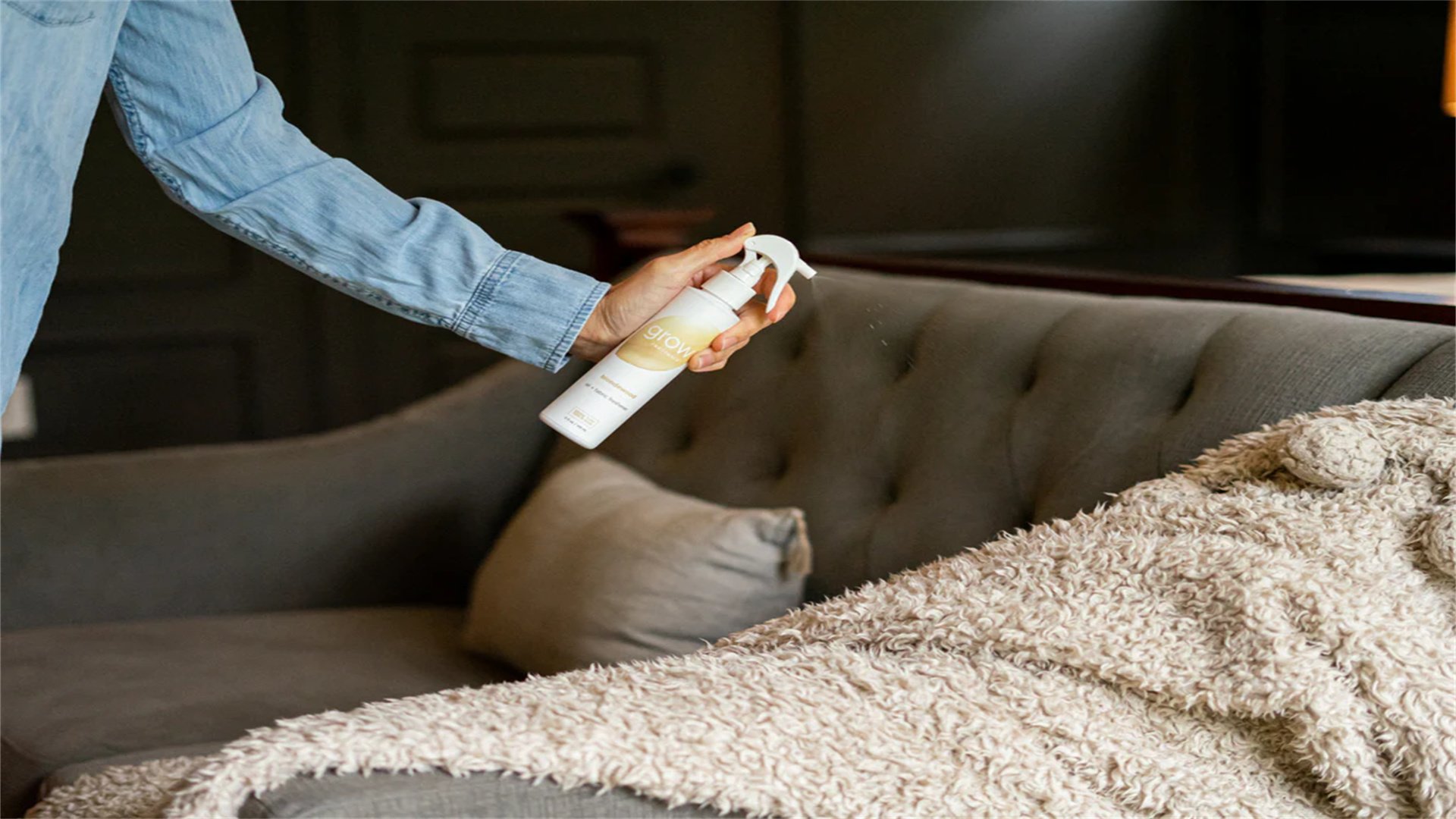
Mix 10-15 drops of essential oil with 1 cup of distilled water and 1 tablespoon of rubbing alcohol in a spray bottle.
Shake well before spritzing on upholstery, curtains, or in the air; avoid direct contact with wood surfaces.
Recipes: calming blend (lavender and chamomile); disinfectant spray (tea tree and eucalyptus).
Cotton Ball Method
Place a few drops of oil on cotton balls and tuck them in vents, drawers, or under furniture.
Refresh every few days; ideal for small spaces like closets or cars.
Heating Method
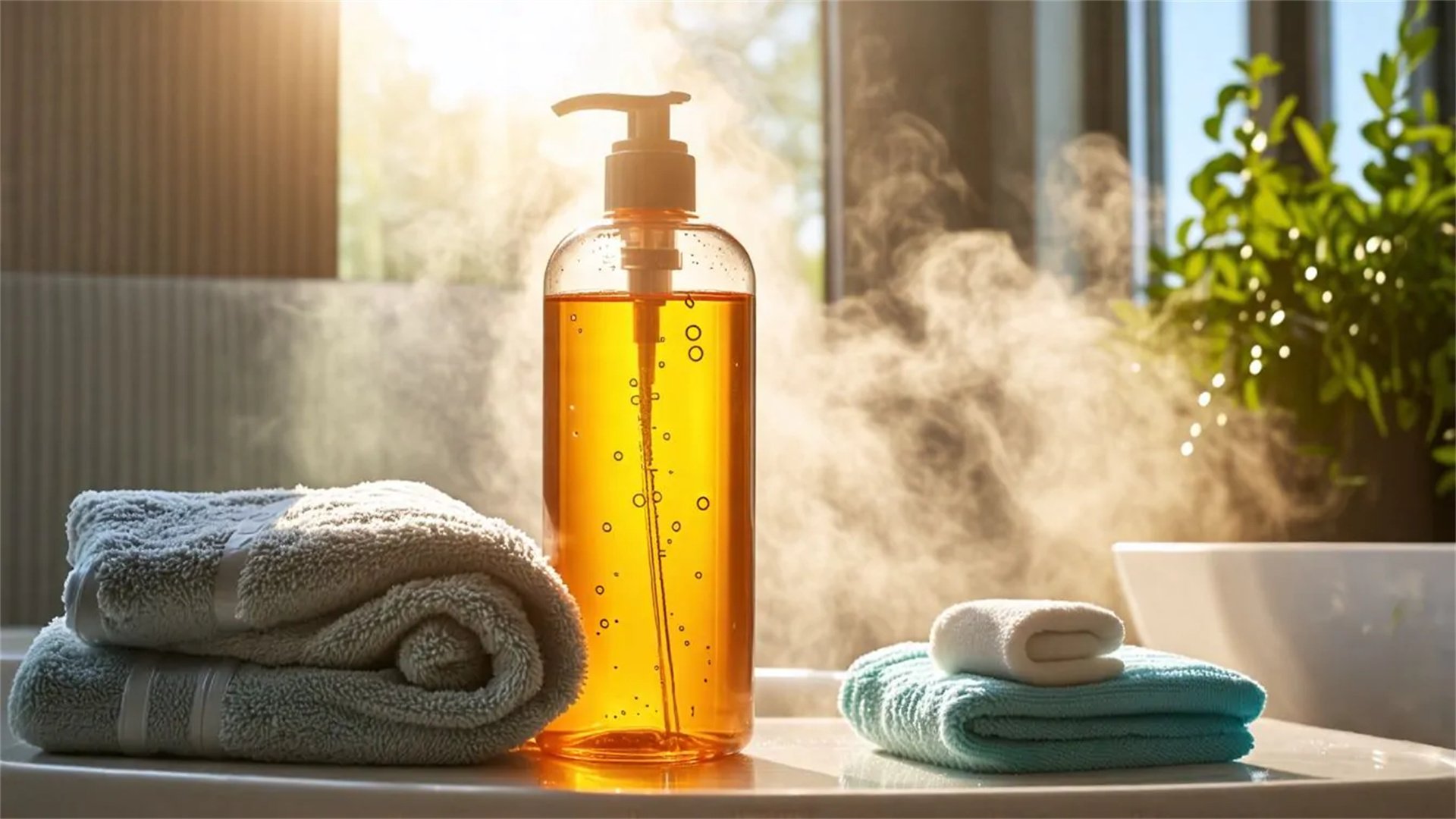
Add a few drops to a bowl of hot water or a radiator to release scent through steam.
Use an oil burner with a tea light candle, but never leave unattended.
Seasonal scents: winter – cinnamon and orange; spring – lemongrass and rosemary.
🌀 DIY Room Sprays and Mists: Customizable and Chemical-Free
Basic Recipe
Combine 1 cup of distilled water, 2 tablespoons of vodka, and 20-30 drops of essential oils in a glass spray bottle.
Shake vigorously before each use; for linen spray, add 1 tablespoon of glycerin.
Use hydrosols (e.g., rose or lavender water) as a base for longer-lasting effect.
Targeted Recipes
Kitchen Deodorizer: 10 drops lemon oil, 10 drops grapefruit, 5 drops peppermint; spray near trash cans or after frying.Bathroom Freshener: 15 drops tea tree oil, 10 drops lavender; mist after showers to combat mildew.Living Room Uplifter: 10 drops bergamot, 10 drops frankincense, 5 drops vanilla; spray on cushions or in the air before guests arrive.
Safety Tips
Apply sprays lightly to avoid overwhelming or staining surfaces.
Test on a small area first, especially for fabrics.
🍪 Baking and Cooking: Infuse Your Home with Delicious Aromas
Simmer Pots
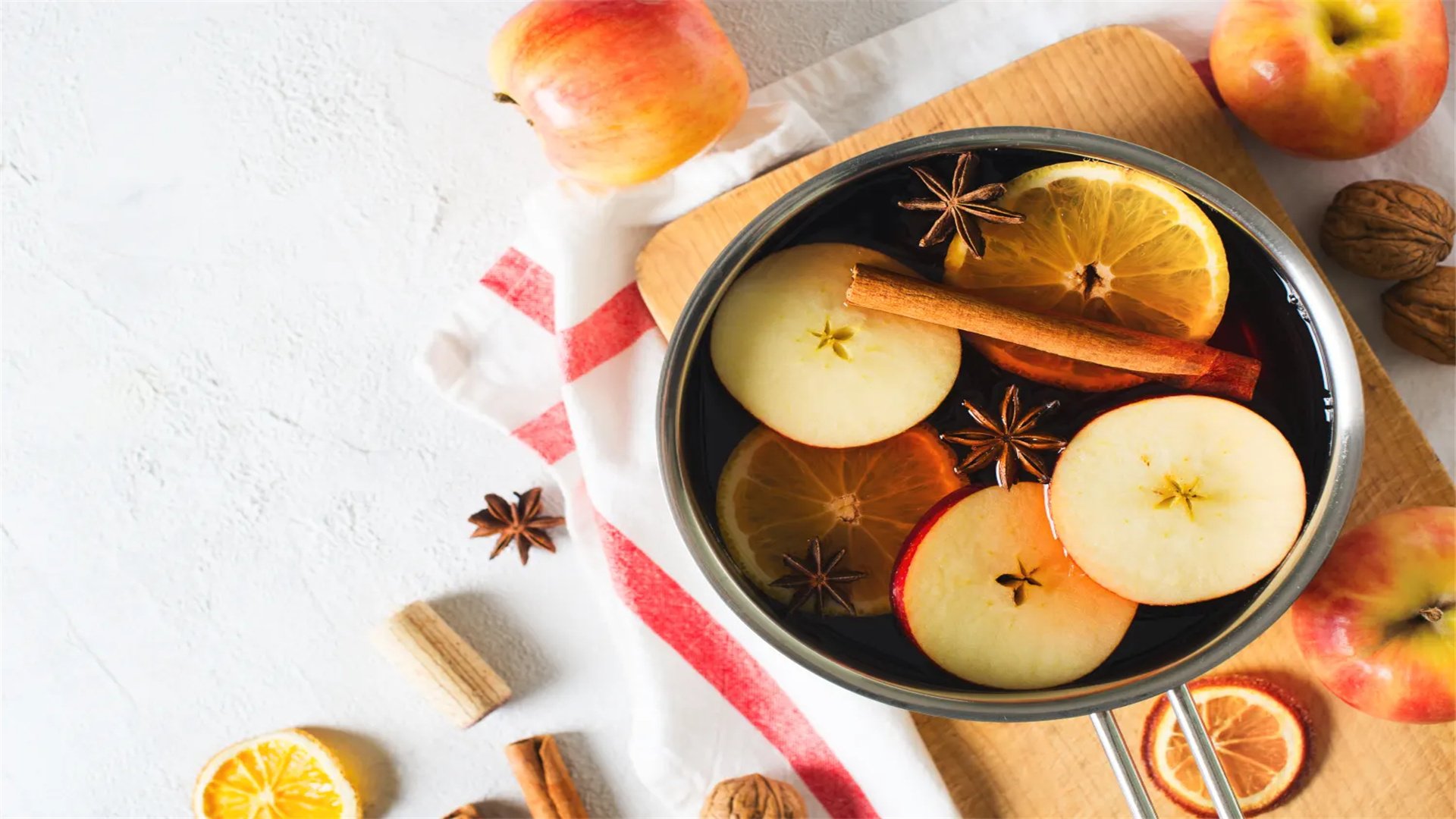
Fill a pot with water, add aromatic ingredients (e.g., citrus slices, herbs, spices), and simmer on low heat for 1-2 hours.
Combinations: citrus and rosemary; apple cider with cinnamon and nutmeg for holidays.
Never leave unattended to avoid boiling dry.
Baking Soda Absorption
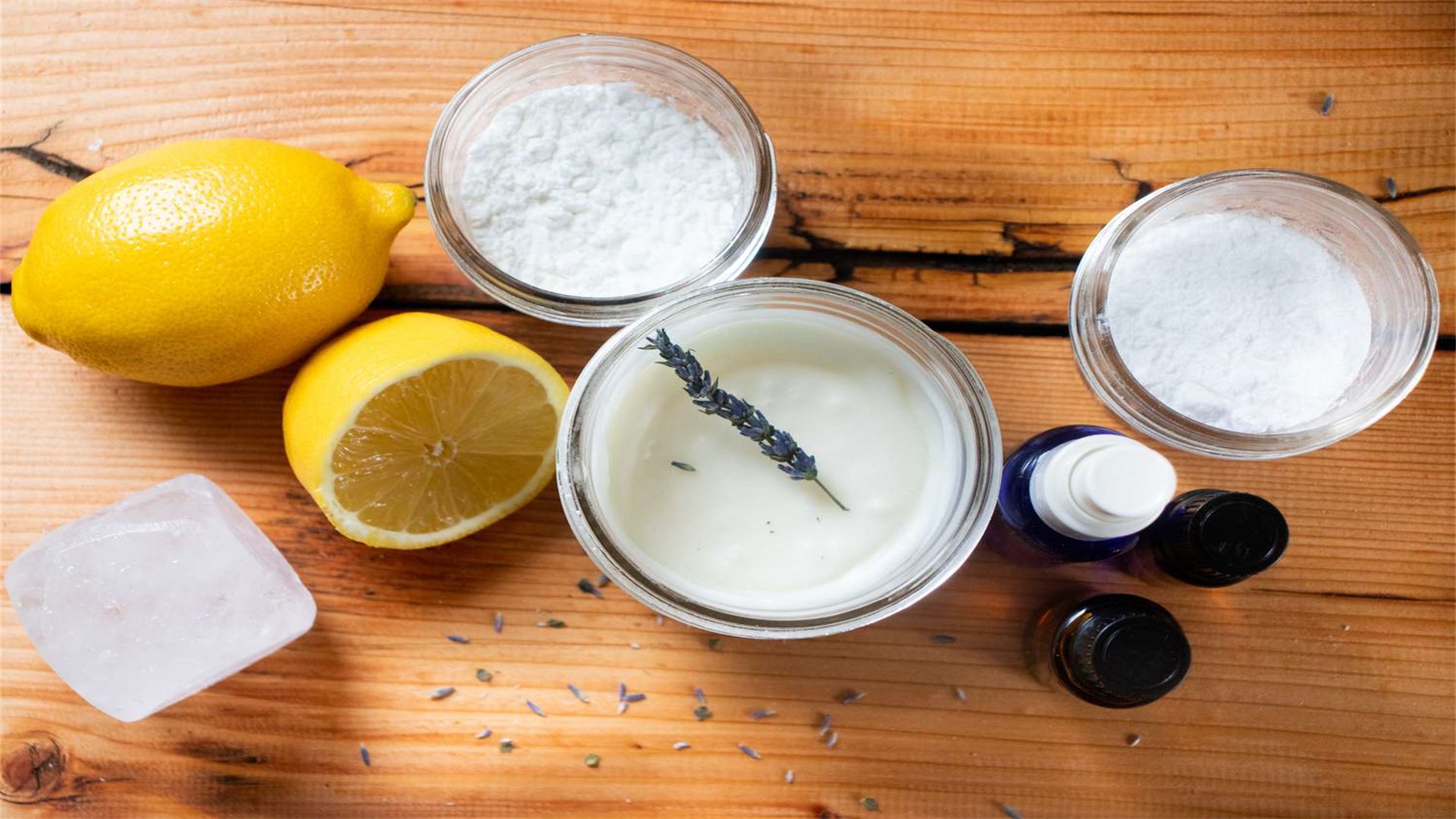
Mix 1 cup of baking soda with 10-15 drops of essential oil and place in open containers around the home.
Neutralizes odors while adding subtle scent; use under sinks or in fridges.
Oven Baking
Bake cookies, bread, or pies to permeate your home with aroma.
Quick fix: sprinkle cinnamon on a baking sheet and warm at 300°F for 10 minutes.
Stovetop Potions
Combine 2 cups of water, 1 cup of vinegar, and citrus peels; boil, then simmer for 30 minutes to neutralize strong odors.
Ideal after cooking fish or onions.
🧹 Effective Cleaning to Eliminate Odors at the Source
Kitchen Cleaning
Clean garbage disposals with ice cubes and citrus peels or baking soda.
Wipe appliances with vinegar-water solution; deep-clean ovens and refrigerators monthly.
Empty trash cans regularly and sprinkle baking soda at the bottom.
Bathroom Cleaning
Scrub tiles with hydrogen peroxide and water to combat mildew.
Place an open box of baking soda behind the toilet to absorb moisture and odors.
Wash shower curtains and bath mats frequently with vinegar.
Living Areas Cleaning
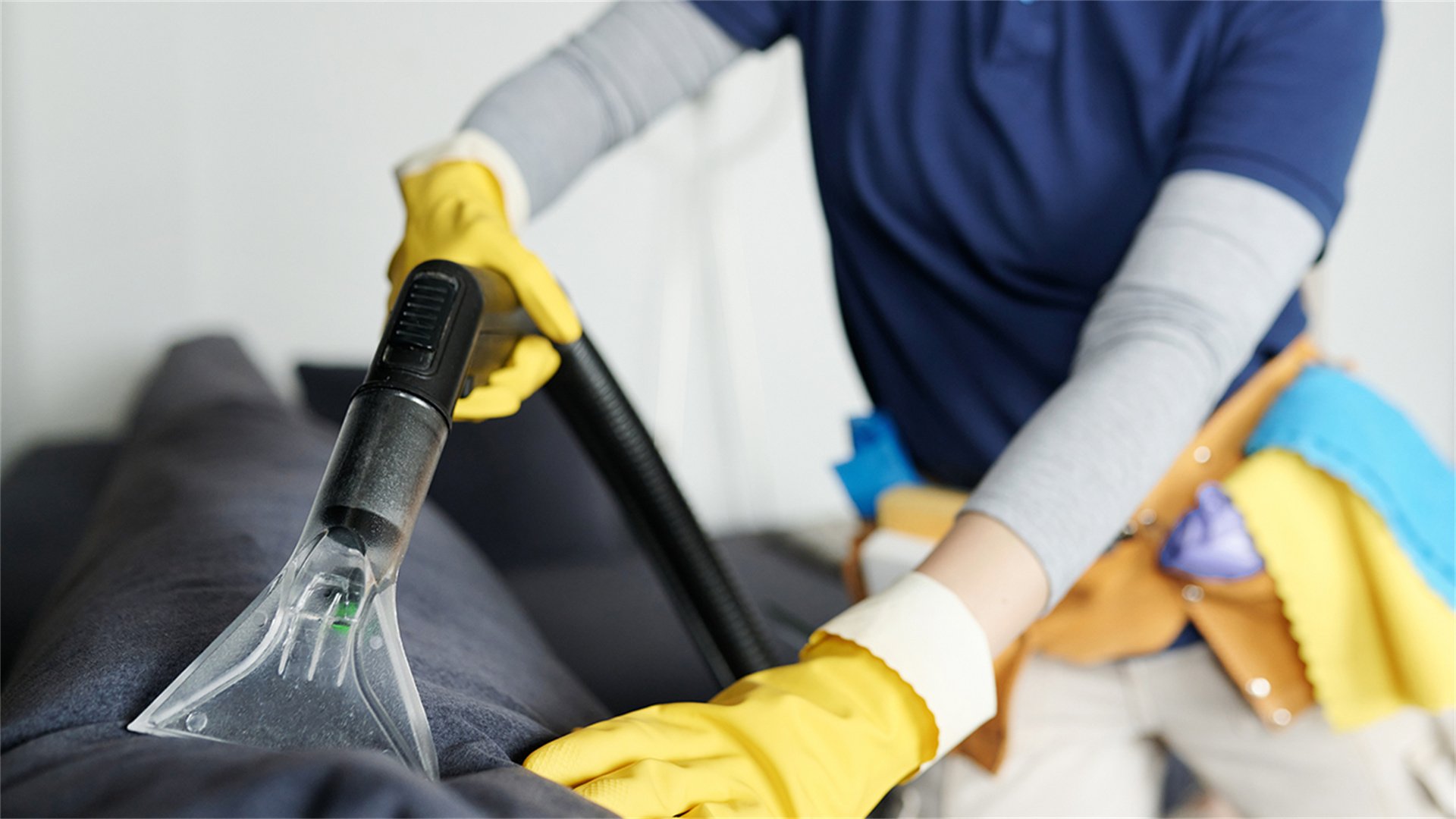
Vacuum carpets and upholstery weekly; add essential oil to vacuum bag for fresh scent.
Wash curtains and pillow covers seasonally; use fabric refresher (vinegar and water mix).
Pet Areas Cleaning
Use enzymatic cleaners for pet accidents to break down bacteria.
Wash pet bedding with vinegar; keep litter boxes clean with baking soda.
🌸 Incorporating Plants and Flowers for Natural Freshness
Fragrant Indoor Plants
Lavender for bedrooms; jasmine for living rooms; herbs like mint or basil for kitchens.
Crush leaves occasionally to release aroma.
Fresh Flowers
Arrange bouquets in entryways or dining tables; change water daily and trim stems.
Use dried flowers or potpourri for longer-lasting options.
Air-Purifying Plants
Snake plants or peace lilies remove toxins, reducing musty smells.
Combine with scented plants for balanced approach; ensure proper watering and light.
💨 Ventilation and Air Circulation: The Key to a Fresh Home
Open Windows
Aim for 15-30 minutes of cross-ventilation daily to remove pollutants.
Use screens to keep bugs out.
Use Fans
Ceiling fans, exhaust fans, and standalone fans help circulate air.
Set fans counterclockwise in summer for cooling, clockwise in winter for warmth.
Dehumidifiers and Air Purifiers
Use dehumidifiers to maintain 30-50% humidity and prevent mold.
Air purifiers with HEPA and carbon filters capture allergens and odors.
DIY Tricks
Place bowls of activated charcoal or baking soda near vents to absorb odors.
Keep interior doors open for better flow; in multi-story homes, open upstairs windows.
🍂 Homemade Potpourri and Sachets: Long-Lasting Scent Solutions
Potpourri
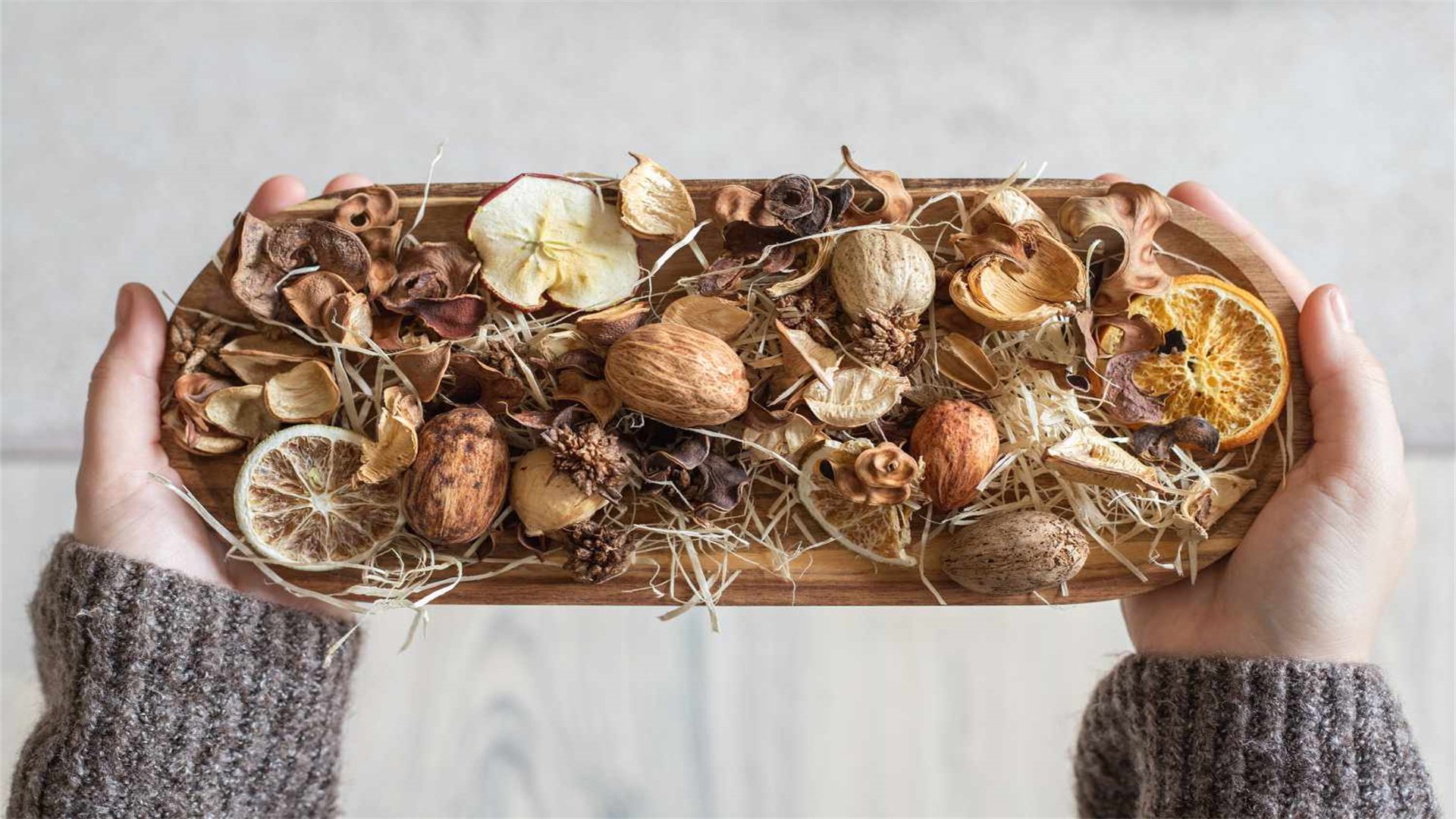
Mix dried ingredients (citrus peels, cinnamon sticks, rose petals) with 20 drops of essential oil per cup.
Cure in a sealed container for a week, then display in open bowls; refresh oil every few weeks.
Sachets
Fill fabric bags with dried herbs (lavender, mint) and orris root powder as a fixative.
Sew or tie closed and place in drawers, cars, or under pillows; add essential oil drops for potency.
Seasonal Variations
Fall: dried apples and cloves; spring: lemon verbena and lilac.
Perfect for gifting or storage areas.
🚫 Avoiding Common Odor Sources: Proactive Measures
Food Waste
Store garbage in sealed bins and take out daily; compost scraps in airtight containers.
Clean recycling bins regularly to prevent residue smells.
Moisture and Mold
Fix leaks promptly; use exhaust fans and wipe wet surfaces.
Use moisture absorbers like silica gel in basements or closets.
Smoking and Candles
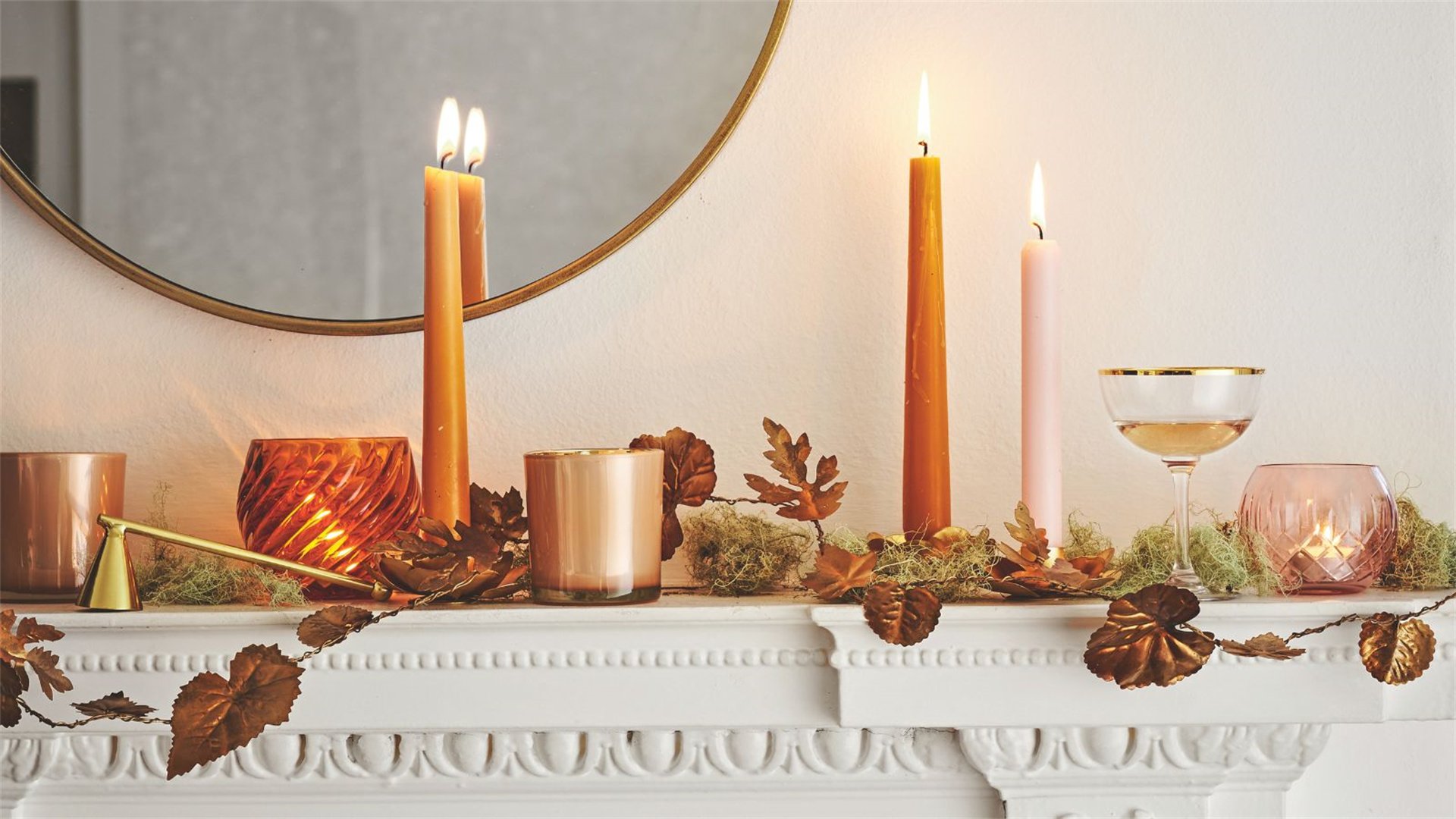
Avoid smoking indoors; choose natural beeswax or soy candles with cotton wicks.
Trim wicks to ¼ inch to prevent smoky smells.
Pets and Shoes
Groom pets regularly; designate shoe areas with baking soda trays.
Wash pet toys and bedding often; conduct home audits for hidden odors.
🍁 Seasonal Scent Strategies: Adapting to Weather Changes
Spring
Use light, floral aromas like jasmine; open windows often; employ DIY sprays.
Summer
Opt for citrus and herbal scents (lemon-basil simmer pot); use eucalyptus in showers; reduce humidity.
Fall
Embrace warm, spicy notes: simmer apples with cinnamon; use clove-studded oranges.
Winter
Choose rich scents like vanilla or cedarwood in diffusers; bake frequently; use evergreen potpourri.
Holiday blends: Christmas – peppermint and pine; Thanksgiving – nutmeg and sage.
🍲 Using Simmer Pots and Stovetop Potions: Detailed Recipes
Citrus Burst
Combine slices of lemon, orange, lime with rosemary and cinnamon sticks; simmer for 2-3 hours.
Spiced Apple
Chop apples with cloves, star anise, and vanilla extract; simmer for 1-2 hours.
Herbal Freshness
Use mint leaves, cucumber slices, and ginger; simmer for 1 hour for a cooling effect.
Cleaning Potion
After frying, add vinegar, citrus peels, and herbs to water; boil for 10 minutes to neutralize odors.
Always use low heat and never leave unattended.
🕯️ Candles and Diffusers: Pros, Cons, and Best Practices
Candles
Choose natural beeswax or soy candles with cotton wicks for cleaner burn.
Burn for 1-2 hours at a time; trim wicks to prevent smoking; place away from drafts.
Pros: ambiance; Cons: fire risk, require supervision.
Diffusers
Ultrasonic diffusers are quiet and add humidity; nebulizing diffusers are stronger but noisier.
Clean weekly with vinegar; use purified water to prevent mineral buildup.
Pros: safer for long-term use; Cons: require electricity.
DIY Options
Melt soy wax, add essential oils, and pour into jars with wicks for customization.
Combine methods: use diffusers daily and candles for special occasions.
⚗️ Natural Deodorizers Like Baking Soda: Advanced Techniques
Fridge Freshener
Place an open box of baking soda in the fridge, or make sachets with baking soda and lemon oil; change every 1-2 months.
Carpet Treatment
Mix 1 cup baking soda with 10 drops essential oil, sprinkle on carpets, let sit, then vacuum thoroughly.
Garbage Can Liners
Sprinkle baking soda at the bottom of cans before inserting bags to absorb leaks and smells.
Upholstery Refresh
Lightly dust with baking soda, wait 30 minutes, then vacuum; test on hidden area first.
Combine with vinegar or activated charcoal for enhanced odor removal.
🛋️ Fabric Refreshers for Upholstery and Curtains: Deep Cleaning
DIY Refresher Spray
Mix 1 cup distilled water, ½ cup rubbing alcohol, and 20 drops essential oil; mist fabrics from 12 inches away and air dry.
Curtain Cleaning
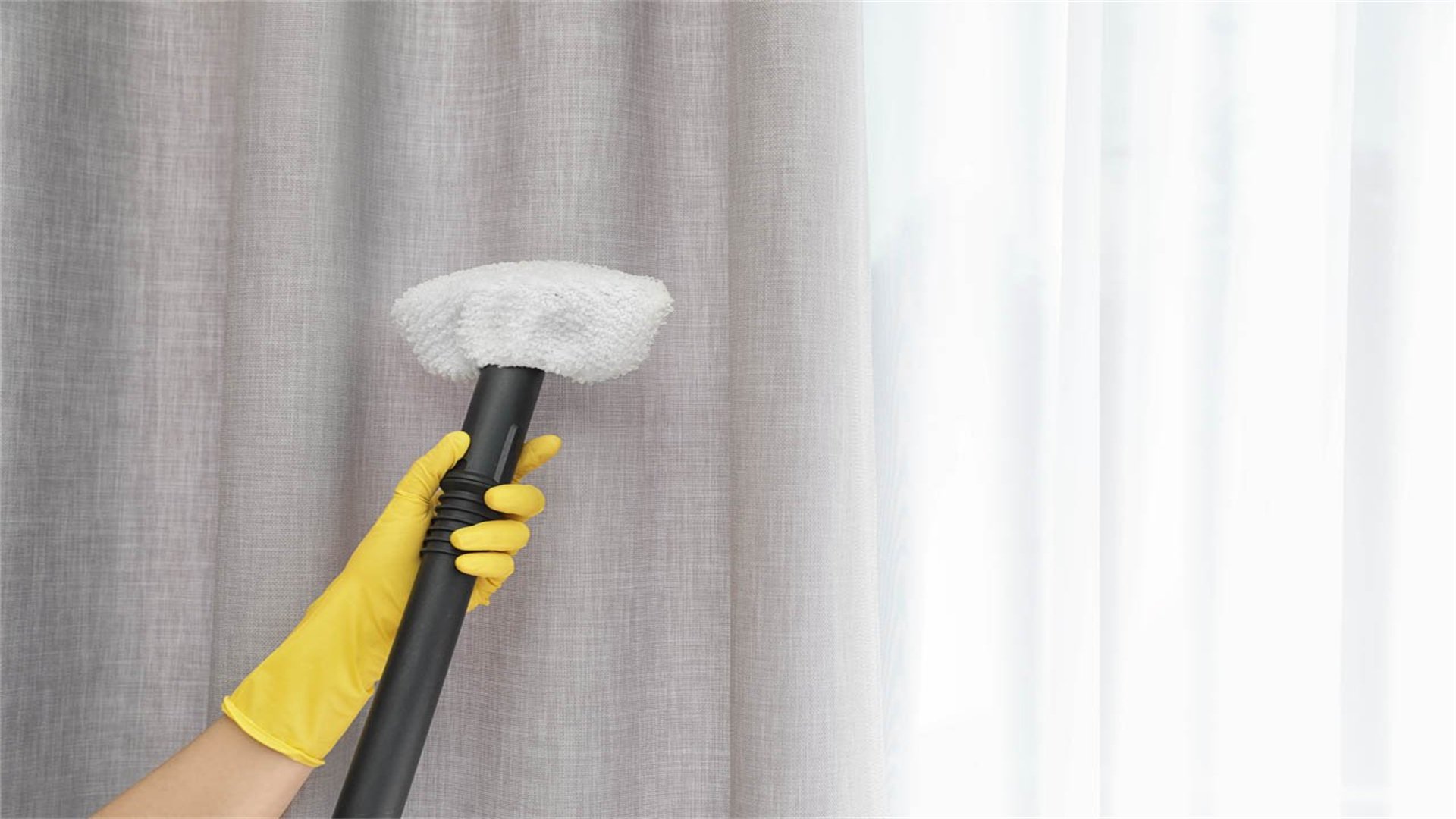
Wash according to labels; if not washable, use a steamer with added essential oil.
Bedding and Mattresses
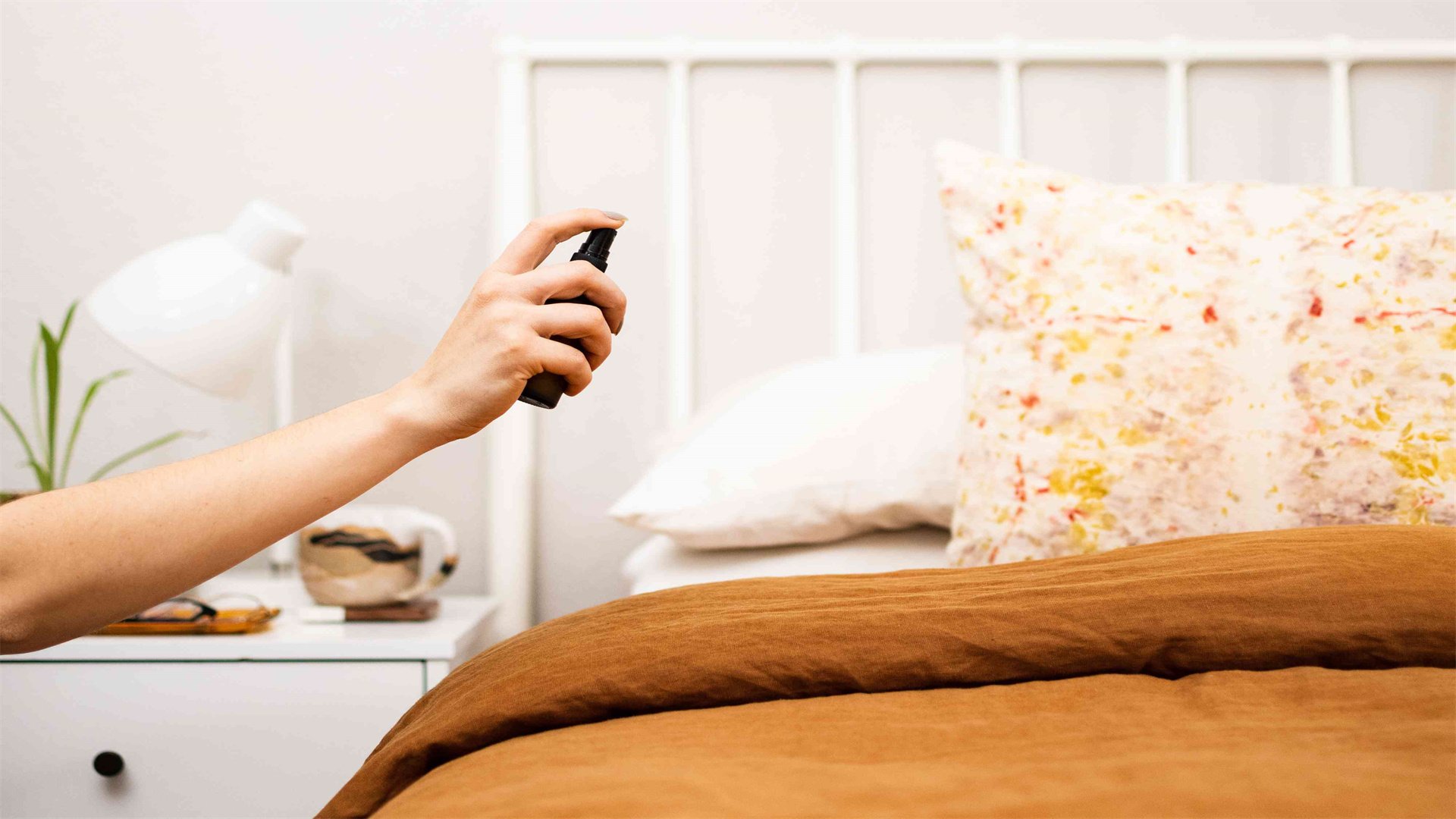
Wash bedding weekly with vinegar in rinse cycle; sprinkle baking soda and lavender oil on mattresses, then vacuum.
Use wool dryer balls with essential oils when drying laundry.
Stubborn Smells
Sprinkle baking soda on fabrics, let sit for an hour, then vacuum; rotate cushions and mattresses seasonally.
🐾 Pet Odor Control Tips: Comprehensive Solutions
Grooming
Bathe pets with odor-neutralizing shampoos; brush outdoors to reduce shedding; wipe paws after walks.
Accident Cleanup
Use enzymatic cleaners immediately to break down proteins; blot, apply, and let dry completely.
Avoid ammonia-based cleaners as they can attract pets back.
Bedding and Toys
Wash pet bedding weekly in hot water with vinegar; soak toys in baking soda solution.
Litter Boxes
Use unscented litter; scoop daily; add baking soda layer under litter and change weekly.
Consider covered boxes or air purifiers nearby.
Air Quality
Use HEPA air purifiers in pet areas; vacuum frequently with pet-hair attachment.
Add a drop of essential oil to vacuum filters, but avoid direct contact with pets.
🚽 Bathroom and Kitchen Specific Hacks: Targeted Approaches
Bathroom Hacks
Wipe down walls after showers to prevent mildew; place a dish of white vinegar near the toilet.
Clean drains with baking soda and vinegar, then hot water; use toilet bowl cleaner with baking soda.
Kitchen Hacks
Clean microwave by heating water with lemon slices, then wiping; scrub sinks with baking soda and peroxide paste.
Store spices and onions in airtight containers; use exhaust fans while cooking.
Place a bowl of vinegar on counter to absorb frying odors; line trash bins with newspaper and baking soda.
Deep-Cleaning
Descale coffee makers with vinegar; run dishwasher cleaning cycles weekly.
📅 Long-Lasting Scent Solutions: Maintenance and Routine
Daily Tasks
Open windows for ventilation; use quick sprays; take out trash.
Weekly Tasks
Deep-clean one room; refresh potpourri; run diffusers; vacuum carpets.
Monthly Tasks
Wash curtains; clean vents; replace baking soda deodorizers; inspect for mold.
Seasonal Tasks
Rotate scents; incorporate seasonal hacks (e.g., simmer pots in winter, plants in spring).
Use technology like smart diffusers with timers; involve household members in tasks.
🌈 Combining Scents for a Signature Fragrance: Art and Science
Understanding Scent Notes
Top notes (citrus, herbs) are light and evaporate quickly.
Middle notes (florals, spices) form the body; base notes (woods, musk) are deep and long-lasting.
Blending Tips
Combine scents from each category for balance; start with 2 drops each and adjust.
Example blend: lemon (top), lavender (middle), cedarwood (base) for a welcoming entryway.
Room-Specific Blends
Bedrooms: calming blends like chamomile and sandalwood.
Home offices: focus blends like peppermint and rosemary.
Use same blend across methods (sprays, sachets) for cohesion; avoid overwhelming with 2-3 scents per space.
⚠️ Safety Tips for Home Fragrancing: Avoiding Risks
Essential Oil Safety
Always dilute oils before skin contact or use in diffusers; keep away from pets and children.
Some oils (e.g., tea tree, eucalyptus) are toxic to cats and dogs; store in locked cabinets.
Candle Safety
Never leave burning candles unattended; keep away from flammable materials; extinguish before leaving room.
Diffuser Safety
Use purified water to prevent mineral buildup; clean regularly to avoid mold growth.
Simmer Pot Safety
Use low heat and set timers to prevent boiling dry; avoid harsh chemical mixes (e.g., bleach with vinegar).
General Tips
Ensure good ventilation when using strong scents to prevent headaches; test sprays on hidden fabric areas.
Choose natural ingredients in plug-in fresheners and replace as directed.
✨ Conclusion and Final Thoughts: Embracing a Fresh Home Lifestyle
Key Takeaways
Transform your home with simple, affordable hacks like essential oils, DIY sprays, and deep cleaning.
Consistency is key—small, regular efforts yield lasting results.
Start with a few methods (e.g., simmer pots or diffuser routines) and gradually incorporate more.
Personalization
Pay attention to how scents affect your mood and adjust accordingly; involve family or roommates.
Experiment and enjoy the process to create a sanctuary that smells incredible daily.
Final Encouragement
A fresh-smelling home enhances well-being; embrace these practices for a cozy, inviting environment.
←
Previous
Page
1
of 1
Next
→